Showing posts with label tweezers. Show all posts

Tuesday, January 31, 2012

How to remove splinters from hiking child

To avoid splinters, children should
avoid running hands over wood.
Splinters seem mild, but to a kid they hurt. If a child is a third our size, a splinter only a third of an inch long would be the equivalent of shoving an inch-long piece of wood into one of our hands. Yeah, that would hurt. They also can become infected if not treated.

To avoid splinters, don’t rub against boards, wood or thorny plants in the wilderness.

Treat the splinter by disinfecting the area around the splinter without touching it. With a tweezers, grasp the splinter as close as possible to the skin and pull it out the way it went in. Squeeze the prickmark so a little fresh blood comes out to help remove any dirt or debris, then disinfect again.

Read more about day hiking with children in my guidebook Hikes with Tykes.

Tuesday, January 17, 2012

Handling bees, hornets, wasps on hike

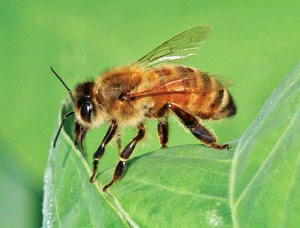
Most bee stings aren't deadly. Photo courtesy of
Wisconsin DNR.
Though most bee stings aren’t deadly, they should be taken seriously. Stings can lead to anaphylactic shock and death.

To avoid being stung, stay away from areas where bees, hornets, wasps and yellow jackets might live. Even if no hive is in sight, you usually can determine their home by watching where they disappear – behind a bush’s or tree’s leafy branches, crawling into a ground hole, or a hollow log opening.

If one flies near your children, they shouldn’t swat at it or run. This may anger the insect into stinging. Instead, remain calm and let it fly away. If it lands on your children, have them brush it off and calmly walk away.

Remove the honeybee stinger by scraping it out with a fingernail (bumblebees, hornets and wasps don’t leave a stinger and can sting repeatedly). Don’t use tweezers on the honeybee stinger as this may release more venom into the skin. Carry oral Benadryl to slow allergic reactions. However, if a severe reaction occurs – such as a bad swelling and rash in areas where the sting didn’t occur, especially on the eyes and mouth – seek medical attention immediately. If the child is allergic to bee and wasp stings, be sure to carry prescribed medications to treat it. A cold compress can be placed on the spot to reduce minor swelling.

Read more about day hiking with children in my guidebook Hikes with Tykes.

Friday, December 2, 2011

Treating children for trail's thorns, burrs

Photo courtesy of Illinois DNR
Thorns and burrs typically are more an annoyance than anything, but with a child the nuisance can be enough to put an end to the hike. If left untreated, infections also can result.

The plants can be avoided by walking down the center of the trail.

Use tweezers to pull out thorns. Then swab the site with an antiseptic such as iodine.

Cockleburs, nature's original version of Velcro, simply need to be pulled them off. Be aware that they can prick you as you're doing that, so you may want to wear thick gloves.

Read more about day hiking with children in the guidebook Hikes with Tykes.